
Look, your chair is the one piece of gear you’re literally touching every minute you’re at your PC. You can swap a GPU in twenty minutes. You’ll probably sit in the same chair for the next five years. So it’s worth getting right.
Here’s where the smart money is going in 2026, based on what reviewers are actually recommending after long-term testing and what the hardware community keeps coming back to.
The Short Version
Skim-readers, this part’s for you:
- Best overall: Secretlab Titan Evo.
- Best ergonomic crossover: Herman Miller Embody.
- Best gaming-style premium: Razer Iskur V2 NewGen.
- Best for big and tall: AndaSeat Kaiser 4.
- Best mid-range: Noblechairs Legend.
- Best budget: Corsair TC100 Relaxed.
- Best ultra-budget: IKEA Matchspel.
- Most interesting newcomer: LiberNovo Omni.
Why The Chair Decision Actually Matters
It’s a little weird how casually people drop $2,000 on a GPU and then sit on a $90 office chair from a big-box store while using it. The math doesn’t work out. Most gamers will replace their graphics card two or three times before they think about replacing their chair, which means the seat under you affects your day-to-day comfort longer than any other part of the rig.
A bad chair doesn’t announce itself loudly. It shows up as that nagging twinge in your lower back around hour two, the numb thigh you keep shifting to relieve, the shoulder knot that won’t go away no matter how many times you adjust your monitor. A good chair does the opposite you stop noticing it. That’s the whole goal.
How These Picks Were Made
I’m not going to pretend I personally tested every chair on this list. What I did was pull together findings from the outlets that actually do long-term hands-on reviews PC Gamer, Tom’s Hardware, TechRadar, GamesRadar and cross-reference them against owner feedback in places like r/GamingChairs and the Secretlab subreddit, where any quality issue tends to surface fast.
Four things mattered most when filtering the noise.
Lumbar support quality came first, because that’s where most chairs fail. Then build longevity does it still feel solid after a year, or are the armrests already wobbly? Then adjustability, which separates “fits most people poorly” from “fits you specifically well.” And finally value, because a great $250 chair beats a mediocre $600 one every time.
The Picks Best Gaming Chairs
Secretlab Titan Evo The Default Recommendation
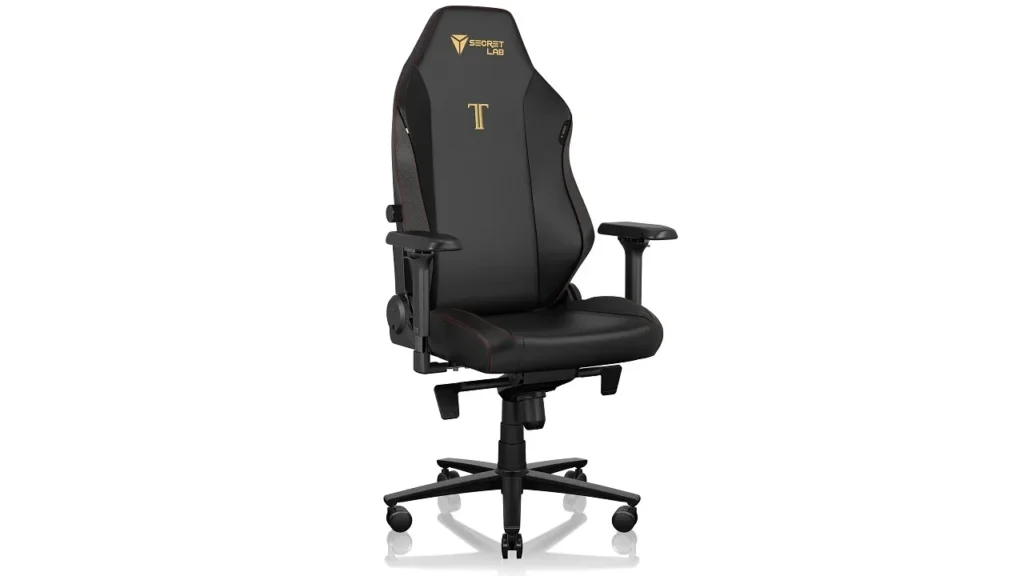
- Roughly $549 to $699 depending on the size and upholstery you pick.
The Titan Evo has been the default “just buy this” recommendation for three years running, and 2026 hasn’t shaken that. It’s not the most exciting chair on this list. It’s just the one that gets every fundamental right and rarely lets people down.
Three things make it stand out. It comes in three actual sizes Small, Regular, and XL so it can fit you instead of forcing you to fit it. The lumbar support is built into the backrest with four-way adjustment, which means no janky pillow that slides around. And the magnetic head pillow stays where you put it, which sounds minor until you’ve used a chair where it doesn’t.
Worth flagging: the seat is firm. People moving from a soft, sagging old office chair often need two or three weeks before it feels right. After that, almost nobody goes back.
Herman Miller Embody When Your Back Is Already a Problem
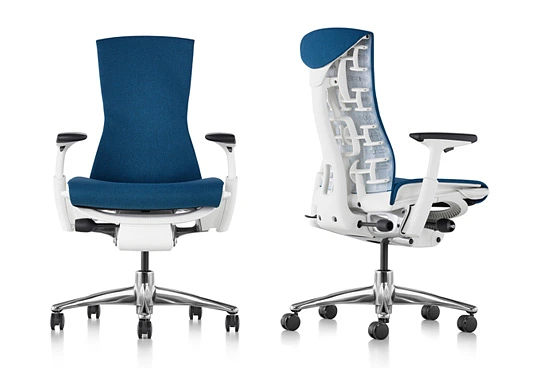
This is the chair the medical-and-ergonomics crowd quietly buys instead of going gaming-branded. Herman Miller spent years developing the Embody with physicians, and it shows. The back doesn’t just support one fixed posture it moves with your spine as you shift, which is closer to how your body actually wants to behave during long sessions.
There’s also an officially branded Logitech G version with cooling foam, if you want the gaming-aesthetic packaging on the same chassis.
The price is what it is. There’s no softening that. But the warranty is twelve years, which tells you something about how Herman Miller thinks about durability. This is genuinely a buy-once-cry-once piece of equipment, and if you’ve already got a back problem, it’s probably worth the cry.
No headrest, by the way. That bothers some people. If you’re a leaner-back recliner, the Embody isn’t ideal look at the Aeron or the Sayl instead.
Razer Iskur V2 NewGen Gaming Aesthetic Without the Compromise
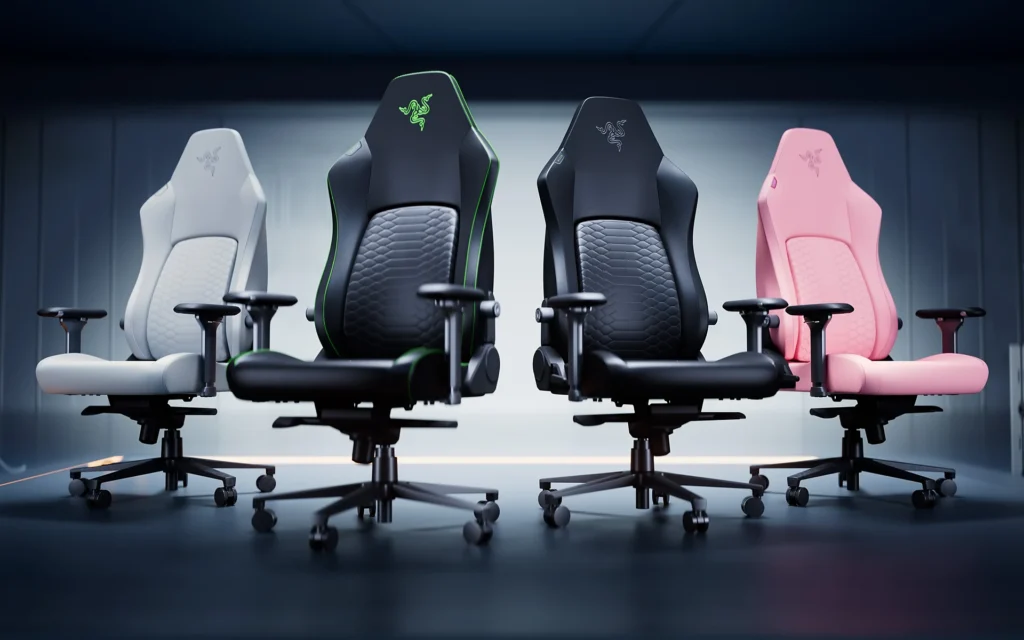
The original Iskur was the first gaming chair I’d actually call ergonomically serious. The V2 NewGen takes that and refines it better cooling foam, an updated mesh option that doesn’t trap heat the way the original leatherette did, and the same adaptive lumbar that physically follows your back as you recline.
That last bit is the real trick. Most “lumbar support” on gaming chairs is a strap-on pillow that ends up in the wrong spot the second you move. The Iskur’s support is part of the chair itself, and it actually tracks with you.
The build quality is genuinely good metal-framed 4D armrests with no wobble, multi-tilt with a rocking lock, and a more grown-up aesthetic than most racing chairs. It won’t scream “gamer” on a video call.
Two things to know before you buy: it’s heavier than it looks, so plan for two-person assembly, and the seat is on the firmer side. Both are features, not bugs, but worth setting expectations.
AndaSeat Kaiser 4 For When Most Chairs Don’t Fit
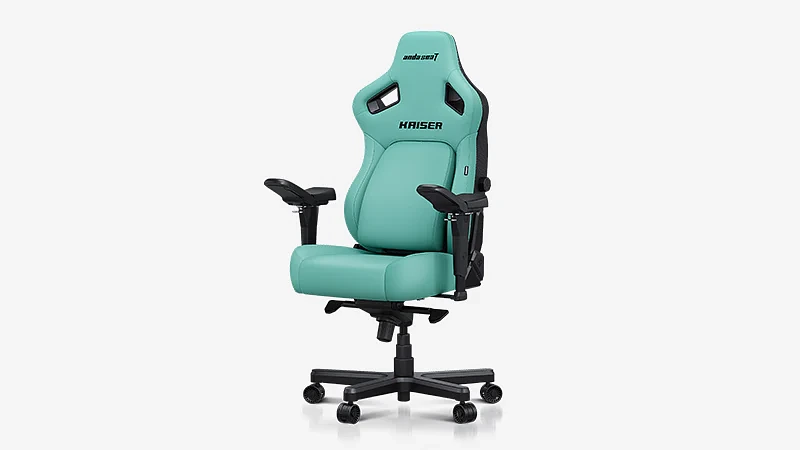
- Roughly $599 to $799.
If you’re over 6’2″ or above 250 pounds, you’ve probably already discovered that “premium gaming chair” doesn’t always mean “premium gaming chair for you.” Most options in the category are sized for an average frame, and the difference between a chair that technically fits and one that actually feels good is enormous.
The Kaiser 4 was built with bigger users in mind from the ground up. The seat base is wider, the backrest is taller, the weight rating is higher, and crucially the lumbar support adjusts both vertically and in depth. On a big chair, a fixed pillow always lands in the wrong spot for almost everyone. Adjustable lumbar fixes that.
In the XL configuration, it accommodates users up to roughly 6’9″ and around 400 pounds. The gas lift is class-4, which is the strongest tier you can buy. Foam quality is excellent.
The honest tradeoff is that the chair is huge and heavy. Make sure you have the floor space and the desk clearance before ordering, because returning it is a pain.
Noblechairs Legend The Mid-Range Sweet Spot
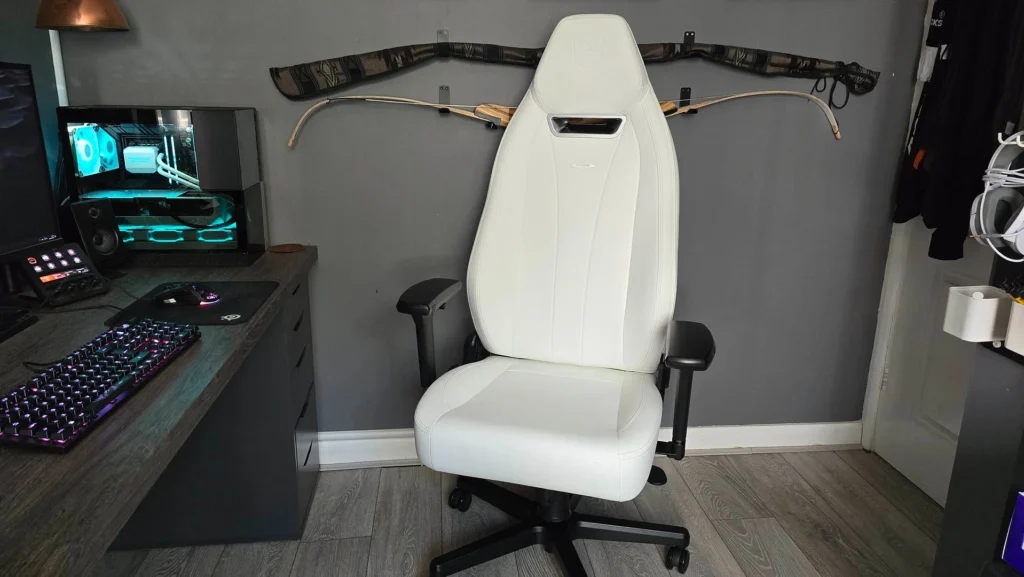
- Somewhere between $399 and $499.
The Legend skips the racing-bucket look entirely and goes for something more like an executive chair clean lines, no aggressive flair, materials that punch above the price. Real leather options are available if you want them, which is rare in this category.
The reason it shows up on long-term lists is that the foam doesn’t pancake. A lot of mid-range chairs feel great for six months and then slowly compress until you’re basically sitting on plywood. The Legend’s foam density holds up, and the recline mechanism stays smooth instead of getting clunky.
The catch: the lumbar support is a separate cushion, not built in. Most owners are fine with it, but if integrated lumbar matters to you, look at the Iskur or the Kaiser instead.
This is the chair to buy if you want premium feel without the premium tax, and you’re willing to skip a few features to get there.
Corsair TC100 Relaxed Budget That Doesn’t Feel Like a Compromise
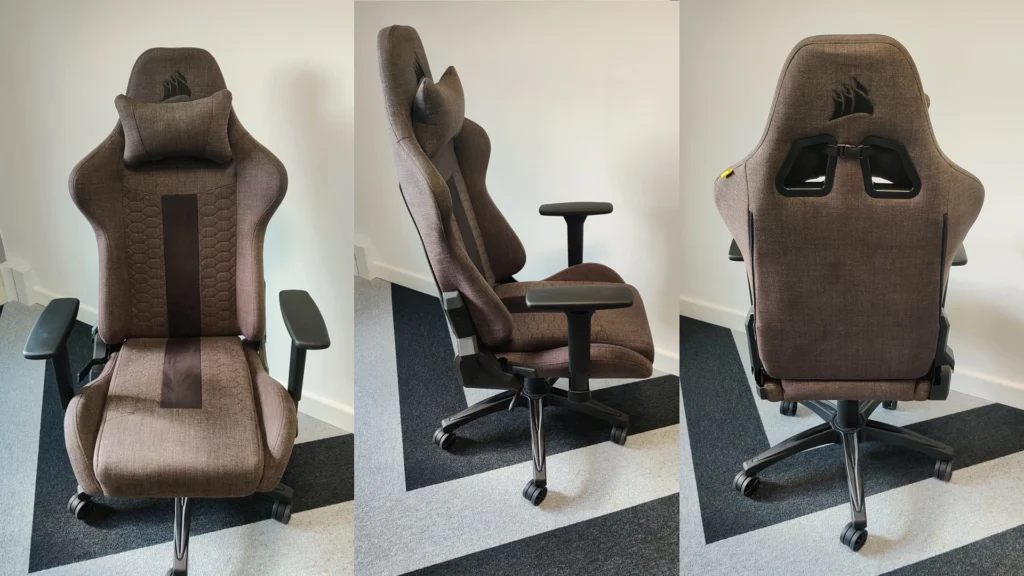
- Around $249.
The TC100 Relaxed is the chair that finally made me stop telling people to save up for a Secretlab if they couldn’t afford one yet. It’s not “good for the price.” It’s just good. Multiple major outlets place it directly below the Titan Evo in their tier rankings, which is wild for something at less than half the cost.
You get a steel frame instead of the plasticky construction most budget chairs use, your choice of leatherette or fabric, and 4D armrests at a price point where most competitors are still shipping 2D. Neck and lumbar pillows come included.
Two notes. The “Relaxed” version is meaningfully softer than the standard TC100 — pick based on what you like, because it’s not just marketing. And the lumbar is pillow-based, not integrated, which is the main thing the Titan Evo gives you for the extra money.
If you’ve got around $250 to spend, this is where I’d put it.
IKEA Matchspel The Practical Pick
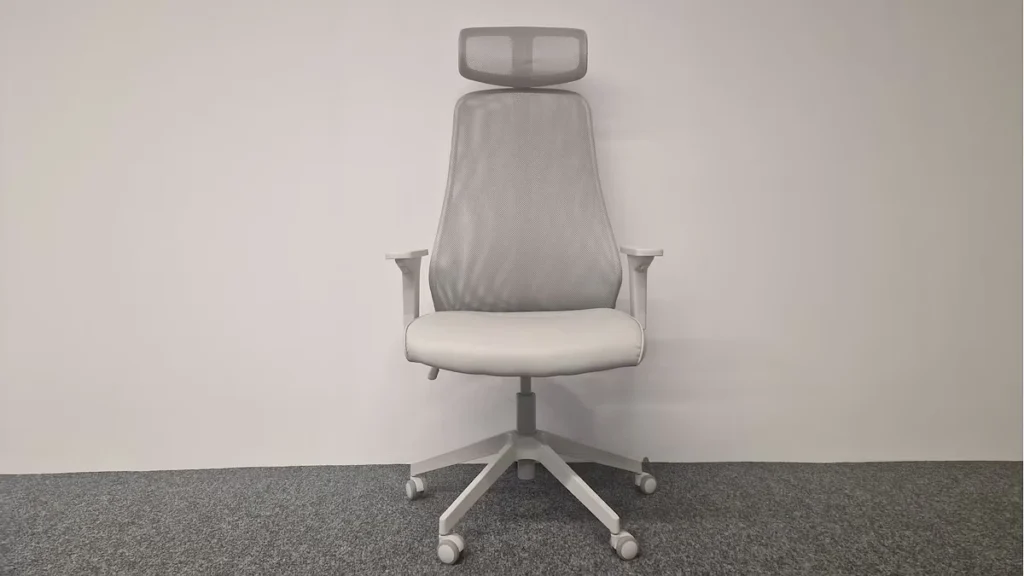
- About $229.
The Matchspel has one feature no online-only chair can compete with: you can walk into an IKEA, sit in it for ten minutes, get up, sit back down, lean back, fidget, and then either buy it or walk away. In a category where comfort is so personal that two people can have completely opposite experiences with the same chair, that test-before-you-buy advantage is genuinely huge.
The chair itself is plain in the IKEA way clean design, mesh back that breathes well, solid build for the price. It also comes with a 10-year warranty, which is honestly absurd at this price point and tells you IKEA isn’t worried about it.
If you don’t care about a logo or a racing aesthetic and you just want a comfortable chair you can try first, this is it. It’s also a great chair for students, anyone in a small apartment, or anyone who just wants something practical without spending a weekend researching.
LiberNovo Omni The Wild Card
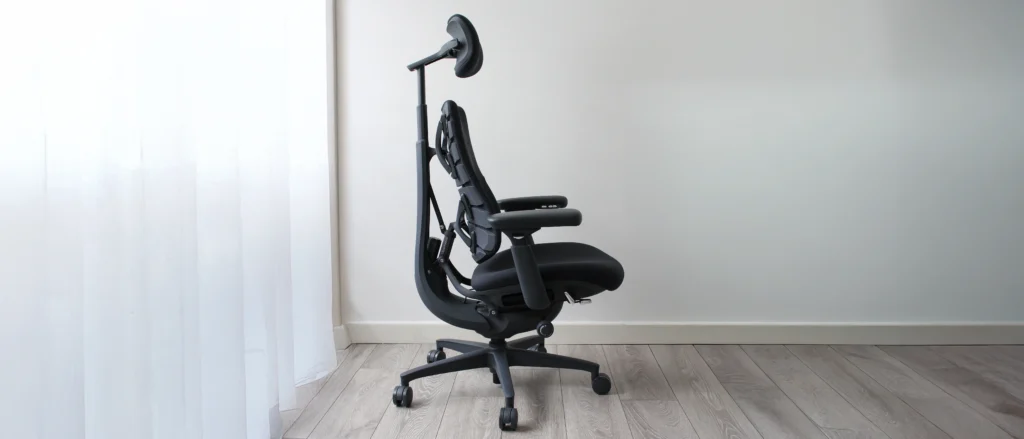
- Around $1,200 and up.
The Omni is the first chair in a while that’s making reviewers reconsider what a gaming chair can actually do. Instead of static support with a few adjustment knobs, it uses dynamic spinal support that responds as you move, plus integrated massage and posture-correction features.
Reviewers who’ve spent serious time with it tend to come back saying things like “this is the most comfortable chair I’ve ever tested.” That’s a strong claim from people who test chairs for a living.
Two honest caveats. The price is high, and a chunk of the dynamic functionality depends on power. Long-term reliability data is still being established this isn’t a chair with a decade of owner feedback behind it like a Herman Miller. If you’re an early adopter who likes being on the front edge of new tech and has the budget for it, the Omni is fascinating. If you want something proven, look elsewhere on this list.
What Actually Matters When You’re Comparing Specs
If none of those picks fit and you want to keep shopping, here’s what to actually pay attention to. Most of the marketing language is noise.
Lumbar support is the single most important thing, and the gap between “integrated and adjustable” and “strap-on pillow” is enormous. If a chair only offers a removable cushion, expect to replace that cushion within a year most of them flatten out fast.
Armrest adjustability gets advertised in dimensions. 4D means height, width, depth, and angle all move. 3D drops one of those. 2D drops two. For something you’ll be in for hours, 4D is worth paying for. Wrong armrest position causes more shoulder tension than almost anything else, and you don’t realize it until you fix it.
Seat depth quietly matters too. Too deep, and you end up perched on the front edge with no back support. Too shallow, and the seat pushes into the back of your knees. Tall users want at least 21 inches of seat depth; shorter users want the opposite problem accounted for.
Recline range is mostly preference. 135 degrees is enough for everyone except people who actively want to nap in their chair. If that’s you, look for 165 or 180.
Foam density is the spec almost nobody talks about, but it’s the one that determines whether your chair still feels new in three years or whether it’s compressed into a flat pancake. Aim for above 50 kg/m³ if the manufacturer publishes the number. Cheap chairs use low-density foam that goes flat fast.
Gas lift class is worth checking too. Class 4 is the strongest. If a chair’s weight rating is suspiciously close to your actual weight, look at something with more headroom there’s no margin for safety.
And finally, material. Leatherette wipes clean but runs hot and tends to peel after a few years. Fabric breathes better and lasts longer but absorbs spills. Mesh is coolest but offers less padding. None of these is “best”it depends on your climate, your habits, and what you actually care about.